
 By Admin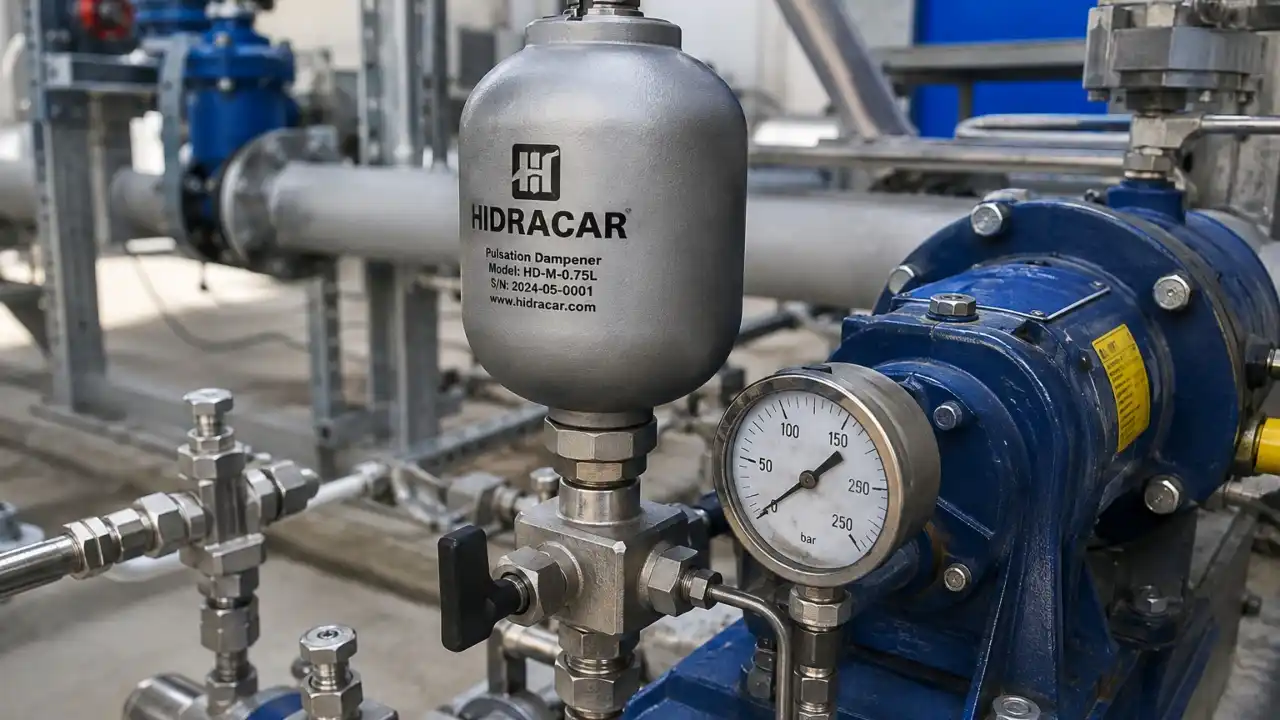
Industrial pumping systems play a vital role in sectors such as water treatment, chemical processing, food production, pharmaceuticals, mining, and energy. These systems are designed to move liquids safely and efficiently, but they often face a common challenge—pressure pulsations. If left unmanaged, pressure fluctuations can reduce system efficiency, increase maintenance costs, and shorten the lifespan of expensive equipment.
One of the most effective ways to address this issue is by using pulsation dampers. These devices help stabilise pressure, protect system components, and improve overall performance.
What Causes Pressure Pulsations?
Many industrial pumps, especially reciprocating and diaphragm pumps, generate pressure pulses as they operate. Instead of producing a perfectly smooth flow, they create repeated pressure peaks and drops.
These pulsations can lead to several operational problems, including:
- Excessive vibration in pipelines
- Increased wear on valves and fittings
- Noise during operation
- Reduced measurement accuracy
- Premature equipment failure
- Higher maintenance costs
As production demands continue to grow, maintaining stable pressure has become increasingly important for reliable plant operation.
How Pulsation Dampers Work
A pulsation damper is installed near the pump to absorb pressure spikes before they travel through the piping system. By smoothing the flow of liquid, the damper reduces vibration and pressure fluctuations while helping maintain a more consistent operating pressure.
The result is a system that runs more efficiently and places less stress on connected equipment.
Benefits of Installing Pulsation Dampers
Improved Equipment Protection
Pressure surges place continuous stress on pumps, valves, seals, and pipelines. Dampers reduce this stress, helping critical components last longer.
Better Flow Stability
A smoother flow improves process accuracy, particularly in applications where liquids must be delivered at precise volumes.
Reduced Maintenance
When vibration and pressure shocks are minimised, maintenance intervals can often be extended, reducing downtime and repair expenses.
Increased Energy Efficiency
Stable operating conditions allow pumps to perform more efficiently, helping facilities optimise energy consumption over time.
Enhanced Workplace Safety
Lower vibration and controlled pressure reduce the likelihood of leaks, pipe fatigue, and unexpected equipment failures.
Choosing the Right Pulsation Damper
Selecting the correct damper depends on several operating conditions, including:
- Pump type
- Flow rate
- Operating pressure
- Fluid characteristics
- Temperature
- Installation environment
Each industrial application has unique requirements, making proper sizing and material selection essential for long-term performance.
Why Quality Matters
Industrial equipment is expected to operate reliably under demanding conditions. Choosing components from experienced manufacturers helps ensure consistent performance, compliance with industry standards, and long service life.
Companies with decades of engineering experience typically offer products designed for a wide range of industries, including chemical processing, water treatment, agriculture, pharmaceuticals, and manufacturing.
Professionals who want to learn more about pulsation dampers, hydraulic accumulators, and pressure control technologies can find additional technical information on the HIDRACAR website, where a variety of industrial fluid management solutions are available.
Maintenance Tips
Even high-quality equipment benefits from regular inspection. Good maintenance practices include:
- Checking operating pressure regularly
- Inspecting seals and membranes for wear
- Monitoring vibration levels
- Following manufacturer maintenance schedules
- Replacing worn components before failure occurs
Preventive maintenance not only improves reliability but also helps avoid unexpected production interruptions.
Final Thoughts
Pressure pulsations are a common challenge in industrial pumping systems, but they can be effectively controlled with the right equipment. Pulsation dampers improve flow stability, protect valuable machinery, reduce maintenance costs, and contribute to safer, more efficient operations.
As industries continue to focus on productivity and equipment longevity, investing in reliable pressure-control solutions remains a practical step toward achieving consistent system performance.