
 By Admin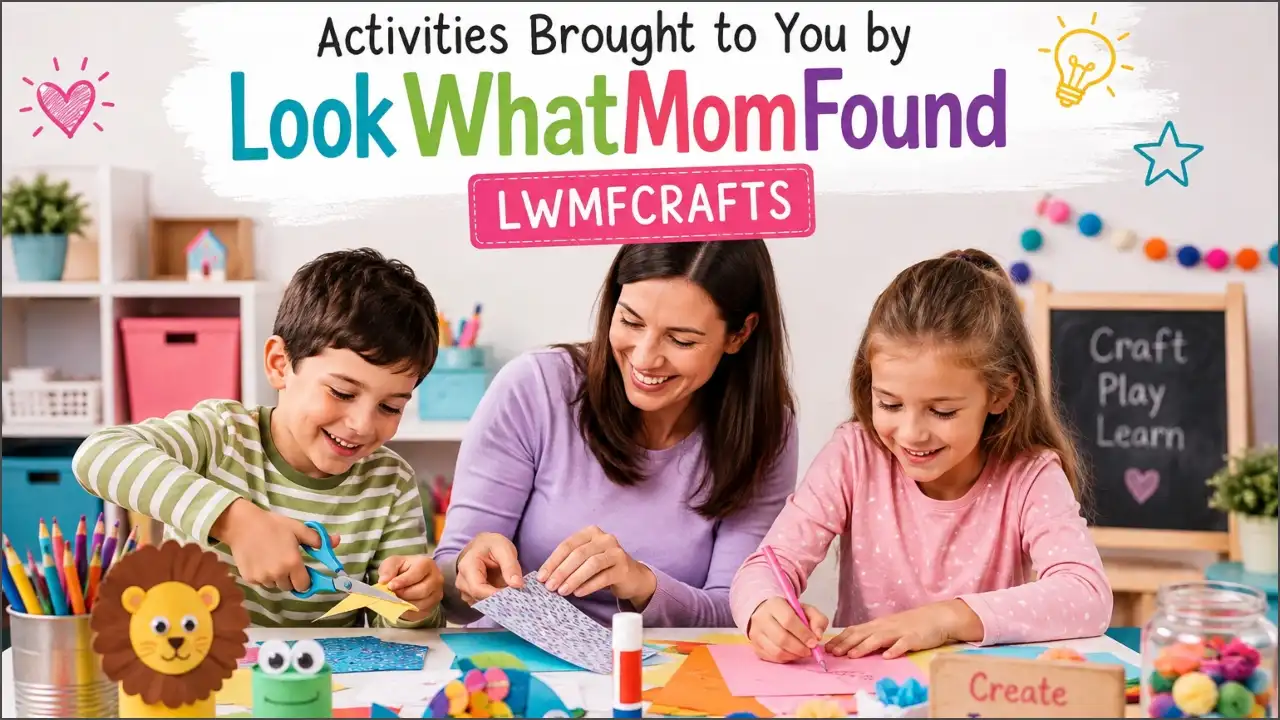
Finding something fun for kids to do at home does not always mean buying a new toy or planning an elaborate project. Sometimes, a few sheets of paper, an empty cardboard box, some glue, and a little imagination are enough.
That is the appeal behind activities brought to you by lookwhatmomfound lwmfcrafts. The craft-focused ideas associated with LookWhatMomFound encourage families to make things together using accessible materials and simple instructions. Projects can range from paper crafts and recycled-material creations to seasonal decorations and hands-on family activities.
The best part is that these activities can be adjusted to suit different ages, available supplies, and the amount of time you have.
What Are LWMFCrafts Activities?
LWMFCrafts is centered around creative projects that children and families can enjoy together. The ideas commonly involve familiar supplies such as paper, cardboard, glue, markers, fabric scraps, recyclable containers, and other household items.
That makes the activities practical for parents who want something engaging without making a special trip to a craft store.
A useful way to approach these projects is to think of the finished craft as only part of the experience. Choosing colors, deciding what to build, solving small problems, and working together can be just as valuable as the final product.
Easy Craft Ideas to Try at Home
There are plenty of directions you can take when planning a family craft session.
Paper Plate Animals
Paper plates can become almost anything with paint, markers, paper scraps, and glue. Children can make lions, fish, turtles, birds, or imaginary creatures.
For younger children, an adult can handle cutting while the child concentrates on coloring and decorating. Older kids can sketch their own designs before starting.
Cardboard Box Creations
Do not throw away a large delivery box too quickly. A box can become a playhouse, rocket, train, shop, castle, or puppet theater.
This type of project is especially useful when children have strong imaginations but need an activity that keeps them busy for longer than a few minutes. Let them decide what the box becomes rather than giving them every instruction.
String Painting
String painting is another hands-on option. A piece of yarn can be dipped into washable paint and placed between folded sheets of paper. Pulling the string out creates unusual patterns.
It can get messy, so cover the table first and use washable materials. That small preparation step can save a lot of cleanup later.
Nature Collages
A short walk can become part of the activity. Children can collect fallen leaves, small twigs, and other safe natural materials, then arrange them into a collage.
Avoid picking living plants, and check collected items for insects or sharp edges before bringing them inside.
Why Simple Materials Often Work Best
One of the strengths of lwmfcrafts is the emphasis on approachable projects rather than requiring specialized equipment. Household and recycled materials can give children a chance to solve creative problems.
For example, if there is no blue construction paper, a child might paint white paper instead. If there is no cardboard tube, another small recyclable container might work.
These little decisions matter because children learn that creativity does not stop when the “right” material is missing.
Activities for Different Ages
Not every craft should be offered in exactly the same way to every child.
Preschoolers:
Choose activities involving coloring, tearing paper, sticking large pieces, or exploring safe textures. Close adult supervision is important when scissors, small objects, or adhesives are involved.
Elementary-age children:
Give them more control over planning and construction. Paper animals, cardboard models, nature collages, and simple decorations are good opportunities to practice following steps while still making personal choices.
Older children:
Let them modify the project or create something from scratch. They might design a cardboard game, decorate a room sign, create handmade cards, or turn recycled materials into a useful object.
The goal is not to make every child’s result look identical. A little freedom usually makes the activity more interesting.
How to Make Family Craft Time Actually Work
A common mistake is preparing a project that takes much longer for the parent than it does for the child.
Before starting, consider three things:
- Time: Pick a project that matches the time available.
- Materials: Gather everything before inviting children to the table.
- Cleanup: Protect the work surface and keep a waste basket nearby.
For a weekday afternoon, a 15-minute paper project may be better than a large construction activity. On a Saturday, you might have time for a cardboard playhouse or outdoor craft.
Giving children a choice between two projects can also help. Instead of asking, “What do you want to make?” try, “Do you want to make an animal or a paper garden?” It keeps the decision manageable while still giving them ownership.
Seasonal Ideas Keep Things Interesting
Crafting does not have to follow the same pattern throughout the year.
Spring can inspire flower pictures, butterflies, and garden decorations. Summer works well for outdoor painting, nature journals, and bright paper projects. Fall offers leaves, pumpkins, and harvest-themed crafts. Winter is a natural fit for snowflakes, greeting cards, ornaments, and indoor creative sessions.
Seasonal projects also give children a reason to decorate their own space or create something they can share with relatives and friends.
Common Mistakes to Avoid
The biggest mistake is focusing too heavily on the finished picture.
A child’s craft may not look like the example. That is perfectly fine. If the child changes the colors, adds extra pieces, or creates something completely different, the project has still done its job.
Another mistake is choosing an activity that is far beyond the child’s current ability. If an adult has to complete most of it, the child may lose interest.
Safety also deserves attention. Use age-appropriate scissors and supplies, supervise young children around small parts, and follow the manufacturer’s instructions for adhesives, paints, and other craft products.
Making LWMFCrafts Part of Family Time
You do not need to schedule elaborate craft sessions every day. One small project each week can be enough to create a regular creative habit.
Keep a box with paper scraps, clean cardboard, washable markers, glue, and other reusable supplies. When an empty afternoon arrives, you already have the basics ready.
That is where the practical value of activities brought to you by lookwhatmomfound lwmfcrafts becomes clear. The ideas are not about producing perfect decorations. They give families a starting point for creating, talking, experimenting, and spending time together. LookWhatMomFound presents its crafts and activities as family-oriented ideas that can be adapted for home use.
Final Takeaway
The best family activities are often the ones that are easy enough to start without a long shopping list. With paper, cardboard, recycled containers, and a little imagination, an ordinary afternoon can turn into a creative session.
Use LWMFCrafts ideas as inspiration rather than strict instructions. Adjust projects for your child’s age, available materials, and attention span. Most importantly, let children make choices and accept that their finished creation may look nothing like the original example.
That freedom is often where the fun begins.